
Unlock the Secret Language of Craft Chocolate: Your Ultimate Terminology Guide

Are you ready to embark on a delicious journey into the world of craft chocolate?
Whether you’re a curious newcomer or a budding connoisseur, understanding the unique terminology used by artisanal chocolatiers is key to fully appreciating this exquisite treat.
In this comprehensive guide, we’ll unwrap the secret language of craft chocolate, empowering you to navigate tasting notes, production methods, and quality indicators like a pro. Get ready to transform your chocolate experience and impress your friends with your newfound expertise!
From Bean to Bar: Understanding the Craft Chocolate Process
Let’s start at the beginning: the cacao bean. Craft chocolate makers often use the term “bean-to-bar” to describe their process, which means they control every step from sourcing raw cacao beans to crafting the final product. Here are some key terms you’ll encounter:
- Origin: The specific region or farm where cacao beans are grown.
- Terroir: The environmental factors (soil, climate, topography) that influence a cacao bean’s flavour profile.
- Fermentation: A crucial step where cacao beans develop their complex flavours.
- Roasting: The process of heating cacao beans to bring out their flavours and aromas.
- Winnowing: Removing the outer shell of the roasted cacao bean to reveal the nib.
- Grinding: Breaking down cacao nibs into a smooth liquid called cocoa liquor.
- Conching: A refining process that develops flavour and texture in chocolate.
- Tempering: Carefully cooling and reheating chocolate to create a glossy finish and satisfying snap.

Decoding Flavour Profiles: The Language of Tasting
Craft chocolate tasting notes can sometimes read like a poetic puzzle. Here’s how to decode common descriptors:
- Fruity: Notes of berries, citrus, or tropical fruits.
- Nutty: Hints of almonds, hazelnuts, or peanuts.
- Floral: Delicate aromas reminiscent of jasmine, rose, or lavender.
- Earthy: Flavours that evoke soil, mushrooms, or forest floor.
- Spicy: Hints of cinnamon, black pepper, or chili.
- Woody: Notes of oak, cedar, or sandalwood.
- Caramel: Sweet, buttery flavours often found in milk chocolates.
- Tannic: A drying sensation similar to red wine or strong tea.
Remember, everyone’s palate is different, so trust your own taste buds!
Quality Indicators: What to Look for in Craft Chocolate
Craft chocolate makers pride themselves on quality. Here are some terms that signal a superior product:
- Single-origin: Chocolate made from cacao beans from one specific region or farm.
- Direct trade: A sourcing model where makers work directly with cacao farmers.
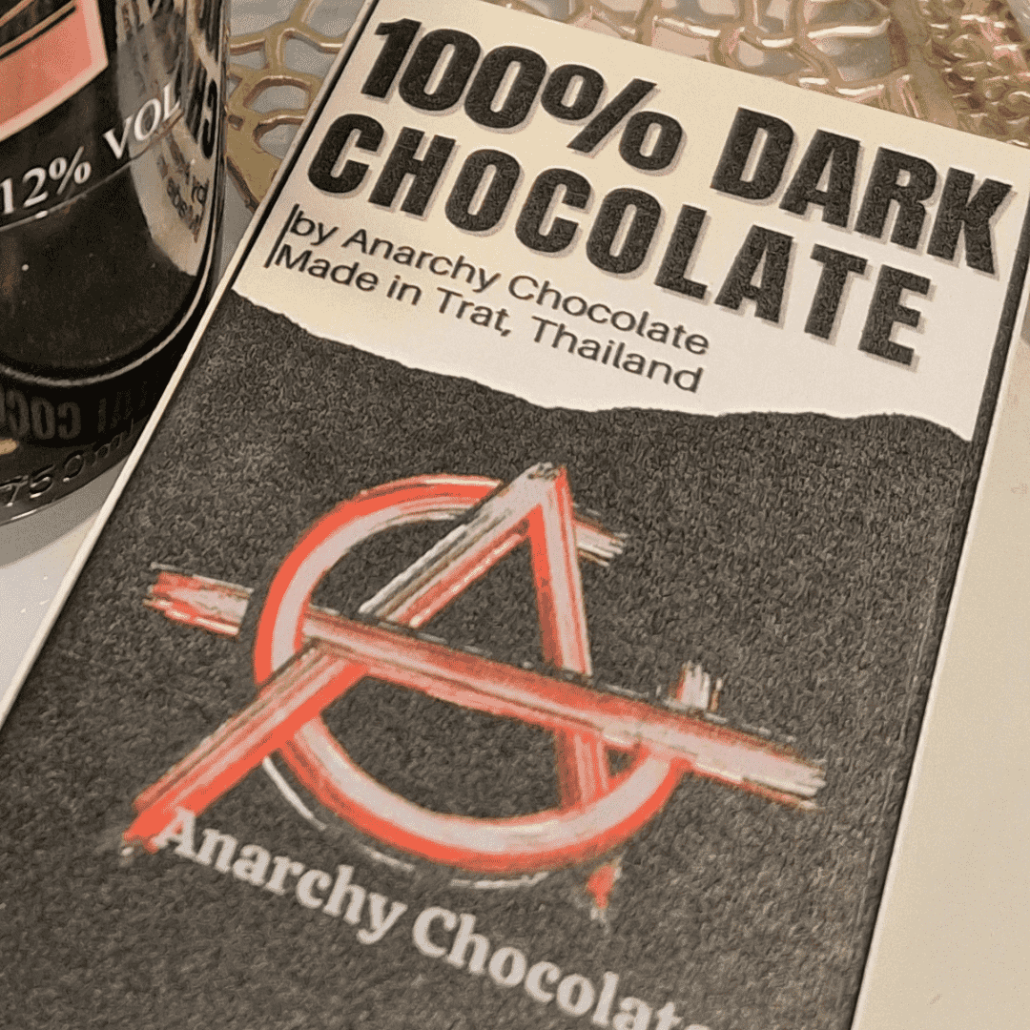
- Percentage: The amount of cocoa solids in a chocolate bar (higher doesn’t always mean better).
- Small-batch: Limited production runs that allow for greater quality control.
- Stone-ground: A traditional method of grinding cacao that preserves flavour complexity.
- Raw: Chocolate made from un-roasted cacao beans, believed to preserve more nutrients.
Beyond the Bar: Exploring Craft Chocolate Varieties
Craft chocolate isn’t limited to traditional bars. Here are some exciting variations to explore:
- Inclusion bars: Chocolate bars with added ingredients like nuts, fruits, or spices.
- Bonbons: Filled chocolates with creative flavour combinations.
- Drinking chocolate: High-quality cocoa for making rich, indulgent hot chocolate.
- Cacao nibs: Roasted, crushed cacao beans used as a topping or baking ingredient.
- Chocolate-covered fruits and nuts: A delicious way to experience how chocolate interacts with other flavours.
Frequently Asked Questions
What’s the difference between cacao and cocoa?
“Cacao” typically refers to the raw, unprocessed bean, while “cocoa” often denotes processed products like cocoa powder.
Why are some craft chocolates so expensive?
Craft chocolate’s higher price reflects quality ingredients, ethical sourcing, labour-intensive processes, and small-scale production.
What does “single-origin” really mean?
Single-origin chocolate is made from cacao beans from one specific region, country, or even a single farm, allowing for unique flavour profiles.
How long does craft chocolate last?
Properly stored craft chocolate can last 6-12 months, but for the best flavour experience, consume within 3-6 months of production.
Is dark chocolate always healthier than milk chocolate?
While dark chocolate generally contains more antioxidants, the health benefits depend on various factors including cacao content and added ingredients.
In Summary
Armed with this comprehensive terminology guide, you’re now ready to fully appreciate the artistry and complexity of craft chocolate. Enjoy your craft chocolate and thank me later!
Remember, the world of artisanal chocolate is constantly evolving, so keep exploring, tasting, and learning. Whether you’re selecting a single-origin bar for a tasting party or gifting a box of handcrafted bonbons, your newfound knowledge will enhance every chocolate experience. So go forth, fellow chocolate enthusiasts, and savour the rich, nuanced world of craft chocolate with confidence and joy!
Unlock the Secret Language of Craft Chocolate: Your Ultimate Terminology Guide


Leave a Reply
Want to join the discussion?Feel free to contribute!